

Home Renovations London Ontario: Expert Tips for Cost-Effective Upgrades
Planning a home renovation in London, Ontario can feel overwhelming, but you can make smart choices that save time and stretch your budget. Start by focusing on practical remodeling alternatives and hiring licensed professionals who understand local permits, timelines, and resale value.
This article Home Renovations London Ontario guides your next steps: how to weigh cost-effective upgrades, what trades to hire, and how to spot contractors who deliver quality and reliability in the London area. Keep reading to learn clear, actionable tactics that help your project run smoother and increase your home’s comfort and value.
Essential Remodeling Alternatives
Prioritize changes that boost daily function, reduce long-term costs, and match London’s housing market expectations. Focus on durable materials, efficient layouts, and code-compliant upgrades to get the best return and livability.
Kitchen Upgrade Solutions
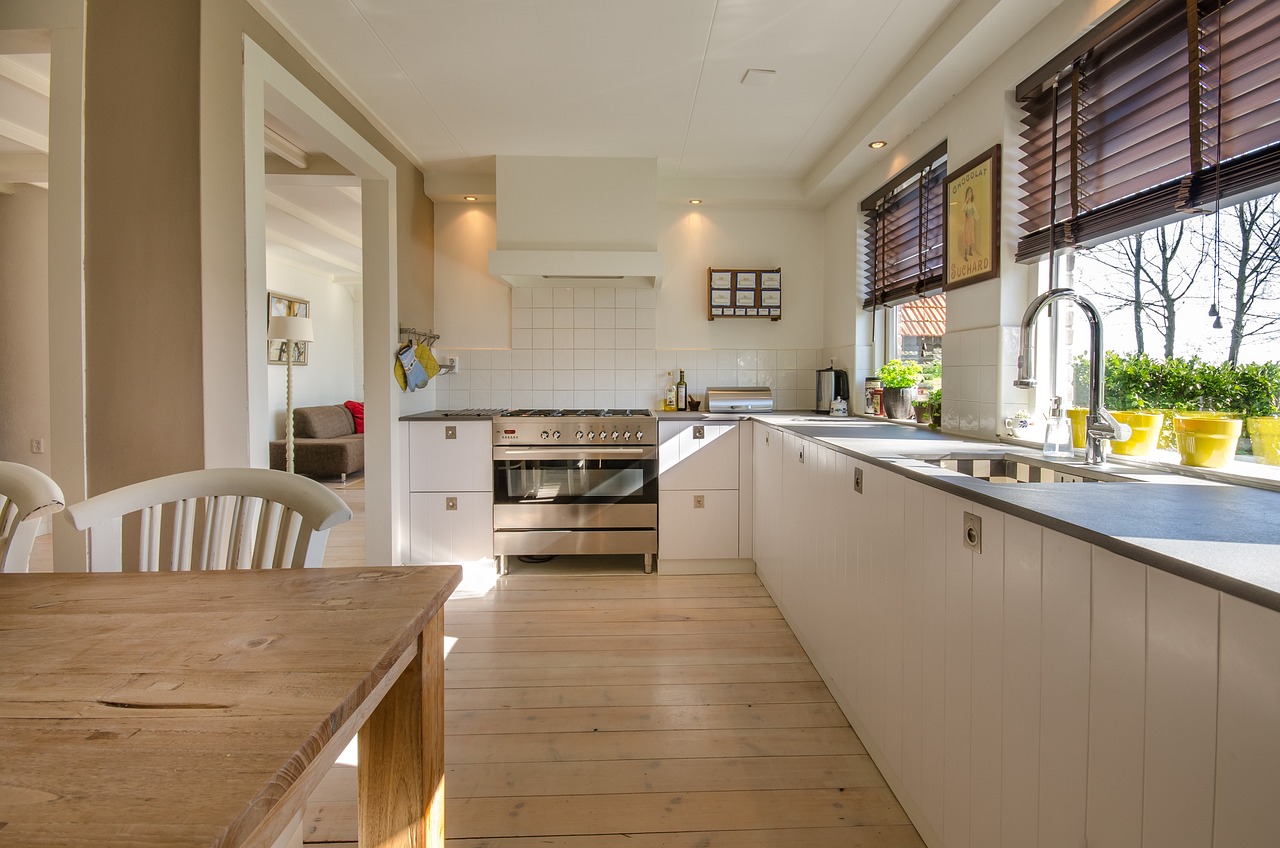
Target layout and systems before finishes. Consider converting a closed kitchen to an open-plan by removing a non-load-bearing wall to improve sightlines and traffic flow. If structural work is needed, get a local engineer’s quote and factor in permit costs.
Choose appliances that match your cooking habits: a 30″ induction cooktop for faster, safer heating; a 36″ stainless gas range if you need high-BTU performance; and an ENERGY STAR refrigerator to cut power use. Replace cabinets selectively—reface or install new doors for cost savings, or full replacement if reconfiguration is necessary.
Pick countertops for durability and maintenance: quartz resists staining, butcher block adds warmth, and honed granite hides scratches. Upgrade lighting with layered solutions—recessed task lights over prep zones, under-cabinet strips, and a central pendant for the island. Finish with water-efficient faucets (1.5–1.8 GPM) to reduce utility costs.
Bathroom Modernization Approaches
Start with water and ventilation to prevent future damage. Replace old plumbing fixtures with pressure-balanced valves and consider a tankless water heater to improve hot-water recovery for multiple bathrooms. Ensure exhaust fans meet or exceed code (minimum 1–2 air changes per hour).
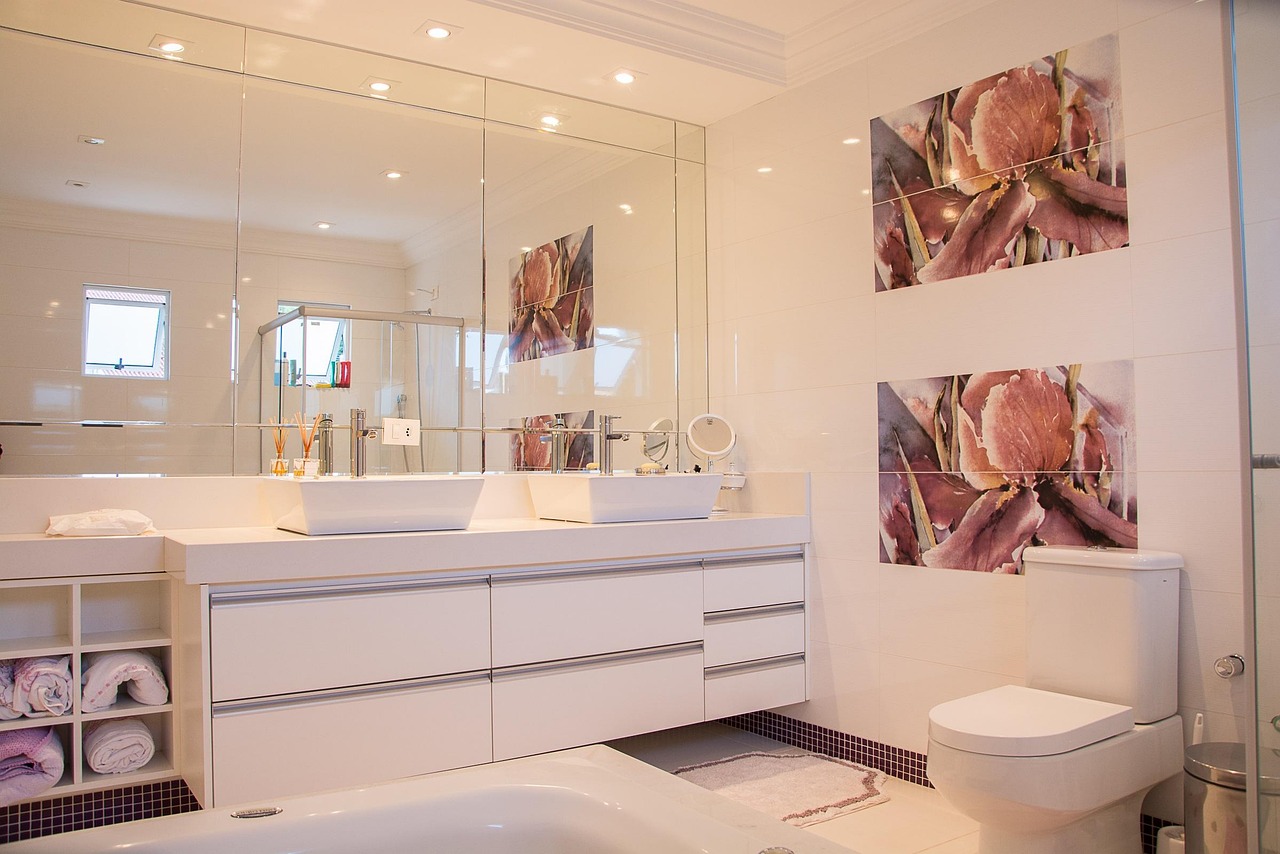
For small bathrooms, prioritize layout swaps: move the vanity or switch to a corner sink to free floor space. Install a walk-in shower with glass panels to open sightlines; choose large-format tiles (12″x24″ or larger) to reduce grout and cleaning. Pick low-maintenance materials like porcelain tile and solid-surface countertops.
Accessibility adds value: install a curbless shower, grab bars with concealed fasteners, and a comfort-height toilet if you plan to age in place. Upgrade lighting to LED fixtures with layered control—ambient, task, and night lights on dimmers for safety and comfort.
Basement Transformation Strategies
Address moisture and insulation before finishing. Install a perimeter drain or French drain where needed and use a vapor barrier and insulation rated for below-grade applications (closed-cell spray foam or XPS board) to control humidity and thermal loss. Confirm egress requirements for bedrooms—full-size egress windows or exterior doors where code demands.
Design zones to maximize usable space: a dedicated media area with acoustic insulation, a mechanical room with service access, and a flexible guest/office area separated by a pocket door. Raise ceiling height where feasible by relocating HVAC runs or using a drop ceiling under 2″ strapping for lighting and ductwork access.
Choose durable flooring like luxury vinyl plank (LVP) or sealed concrete topped with area rugs to resist moisture. Plan for proper lighting—recessed LEDs with warm color temperature and task lights for workspaces. Include future-proofing: conduit for network cabling, extra electrical circuits for home offices, and roughed-in plumbing for a wet bar or bathroom.
Selecting Licensed Professionals
You need contractors who hold proper licences, carry insurance, and can show a track record of similar projects. Focus on verifiable credentials, local experience, and clear, written estimates.
Evaluating Contractor Experience
Ask for a minimum of three recent local references and inspect completed projects in person when possible. Look for projects that match your scope—kitchen remodels, basement finishes, or whole-home renovations—so you can judge workmanship and problem-solving on comparable jobs.
Verify licences and insurance: request copies of a WSIB clearance certificate (if applicable), liability insurance, and municipal trade licences. Confirm the business is registered in Ontario and check online reviews and the Better Business Bureau for unresolved complaints.
Clarify who will perform the work: owner-operated crews versus subcontractors, and ask for a proposed project schedule with milestone dates. Put warranties and post-completion responsibilities in writing before work starts.
Understanding Project Estimates
Require written, itemized estimates that separate labour, materials, permits, and contingency. Compare at least three bids for the same scope; low bids may omit permit fees or use lower-grade materials, while high bids can include unnecessary upgrades.
Look for these specifics in each estimate:
- Start and completion dates
- Payment schedule tied to milestones
- Brand and model numbers for major fixtures
- Allowance amounts for finishes
Ask how change orders are handled and get a fixed-rate or not-to-exceed clause for major trades if possible. Confirm who obtains permits and whether permit costs are included. Keep a copy of the signed estimate as part of the contract.