
Solar Glass Panels: Durable, High Efficiency Building-Integrated Solutions
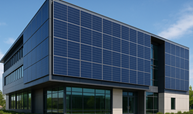
Imagine windows that pull sunlight and turn it into usable electricity while still letting light into your space. Solar glass panels let you integrate power generation directly into building surfaces, cutting energy bills and preserving design flexibility.
In solar glass You’ll get a clear view of how photovoltaic glass works, where it fits in modern architecture, and what to weigh before installation — from efficiency and durability to aesthetic and structural choices. This article guides your decisions with practical insights so you can tell whether solar glass suits your project and how to move forward.
Photovoltaic Technology in Architectural Glass
Photovoltaic architectural glass turns glazed surfaces into power-producing elements while preserving daylight and views. You’ll learn how cells are embedded, which cell types enable transparency, and how these systems compare with rooftop panels in performance and installation.
How Electricity Generation Is Integrated
Manufacturers embed photovoltaic cells as thin layers between or on glass panes.
You’ll commonly see thin-film coatings or laminated crystalline strips placed on the inner surface or within insulating glass units (IGUs).
Electrical contacts run along discreet busbars that tie many small cell segments into strings; those strings connect to a junction box at the frame.
Integration also includes encapsulants and low-e coatings to protect cells and control solar heat gain.
You should expect wiring to route through mullions or concealed channels to inverters and building electrical systems.
Design coordination is critical: you must size glass arrays, balance daylighting needs, and plan for maintenance access and module replacement.
Types of Transparent and Semi-Transparent Cells
There are three principal approaches: thin-film (amorphous silicon, CIGS), microcrystalline strips of silicon, and emerging organic/perovskite layers.
Thin-film methods deposit active material across the glass, allowing graded transparency by patterning or using lower absorber thickness. You get moderate efficiency with high visual uniformity.
Crystalline silicon strips cut into narrow fingers leave gaps for visible light; this yields higher efficiency but more visible patterning.
Perovskite and organic cells can achieve high transparency and tunable colors in lab and pilot projects, but you must weigh durability and long-term stability.
When choosing, consider visible light transmittance (VLT), power density (W/m²), color consistency, and expected lifetime under UV and thermal stress.
Comparisons With Traditional Solar Panels
Solar glass trades panel-level efficiency for architectural integration.
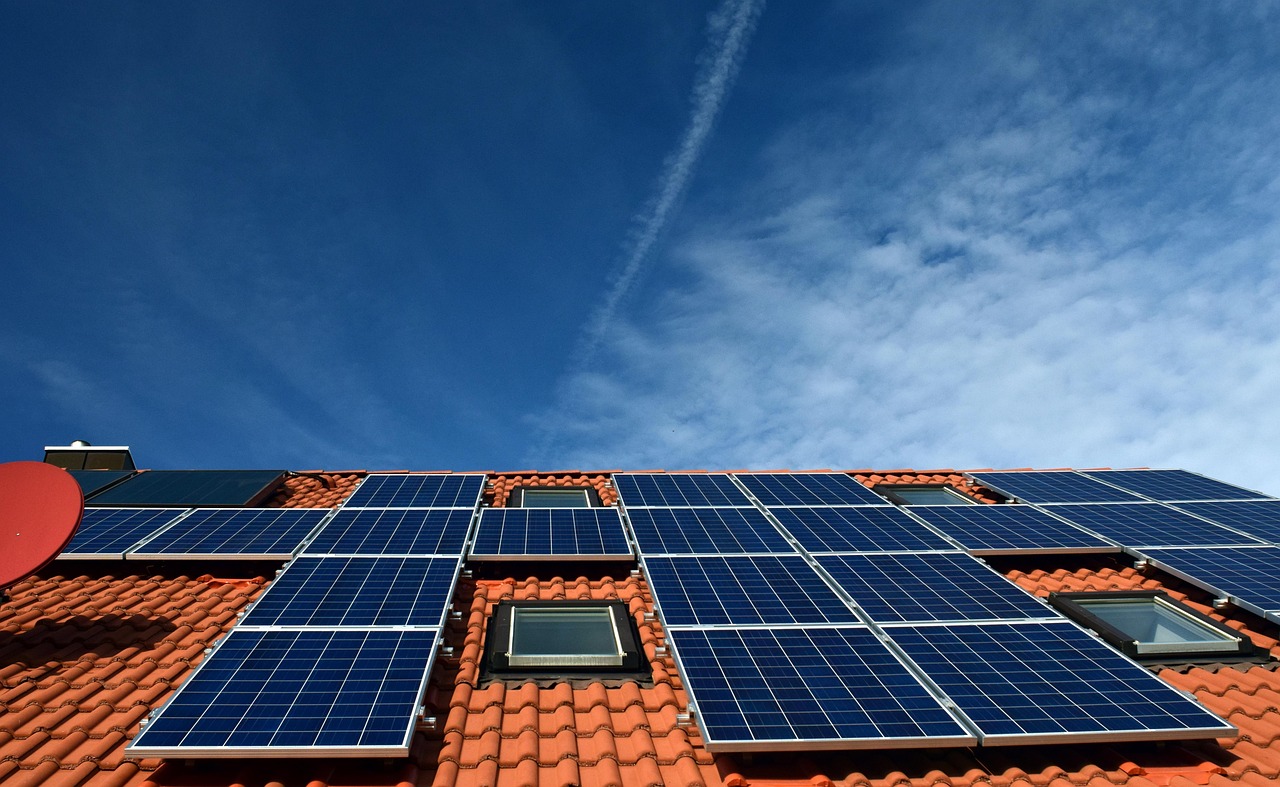
Traditional rooftop PV (monocrystalline) typically delivers higher watt-per-area output and lower cost per watt. You’ll get 15–22% crystalline efficiencies versus roughly 5–15% for many transparent/semi-transparent glass solutions, depending on technology.
However, photovoltaic glass offsets footprint constraints by producing energy where façades and skylights already exist.
You should evaluate lifecycle cost: integrated glass can reduce cladding materials and HVAC loads but may raise upfront glazing and replacement costs.
Also compare electrical wiring complexity, inverter placement, maintenance access, and local building codes when deciding between integrated glass and conventional panels.
Practical Applications and Installation Considerations
This section explains where solar glass panels deliver the most value, how they affect daylight and heat, and what you must plan for long-term performance and upkeep.
Use in Building-Integrated Photovoltaics (BIPV)
You can replace conventional façades, skylights, or balustrades with glass-glass or glass-backsheet PV units to generate on-site electricity while preserving design intent.
Specify module transparency and cell layout early so the architect and structural engineer can coordinate mullion spacing, attachment points, and wind/thermal loads.
Key practical points:
- System roles: primary cladding, daylighting element, or roof-liner — each has different mounting and fire-rating requirements.
- Electrical integration: locate inverters, combiner boxes, and string routing during design to minimize cable runs and avoid interior disruption.
- Certification: require structural, fire, and impact tests for glazing assemblies; request manufacturer performance warranties and degradation curves.
Plan for maintainability by providing safe access for window cleaning and panel servicing.
Your choice of semi-transparent versus opaque arrays influences energy yield and tenant comfort.
Thermal Performance and Light Transmission
You must balance solar generation against daylighting and thermal loads to avoid overheating or excessive glare.
Transmittance depends on cell type and spacing; monocrystalline cells in a semi-transparent pattern typically transmit 20–60% of visible light, while full-coverage glass-glass modules transmit far less.
Considerations to specify:
- U-value and solar heat gain coefficient (SHGC) of the glazed assembly for HVAC load calculations.
- Coatings and low-e layers that reduce heat transfer but may slightly lower electrical output.
- Orientation and tilt: vertical façades produce different seasonal profiles than tilted roofs; optimize for your climate and usage patterns.
Include shading analysis and glare modeling in design reviews to protect occupants and nearby drivers.
Use performance simulations (PV yield + daylighting) to set realistic energy expectations.
Maintenance and Durability Factors
You must inspect and maintain solar glass like any structural glazing, with added electrical checks.
Establish an inspection schedule: visual checks for delamination/cracks quarterly for the first year, then biannually; electrical testing (IV curve, insulation resistance) annually.
Durability checklist:
- Mechanical: verify gasket and seal integrity to prevent moisture ingress.
- Electrical: monitor for hotspot signatures and PID (potential-induced degradation) and request module-level monitoring where possible.
- Cleaning: use approved detergents and rinse methods to avoid surface abrasion; adjust frequency to local soiling rates.
Specify replacement procedures and spare-part access in the O&M contract.
Keep manufacturer contact details and warranty paperwork accessible for fast response to failures.