
Event Venues Ottawa: Expert Guide to Top Spaces for Every Occasion
You need a event venues that fits your event’s size, style, and budget—and Ottawa delivers options from historic estates and downtown lofts to outdoor orchards and flexible rental spaces. If you want a shortlist now: focus on capacity, location, and available services to quickly narrow choices that match your guest count and event flow.
This article Event Venues Ottawa helps you compare venue types in Ottawa, weigh practical trade-offs, and pick a space that supports your vision and logistics. Explore tips on matching space to format, what to ask venue managers, and how to avoid last-minute surprises so your event runs smoothly.
Types of Venues in Ottawa
You’ll find venues that fit formal dinners, outdoor ceremonies, historic settings, and corporate gatherings. Each type offers distinct features — capacity limits, AV capabilities, and permit requirements — that affect budgeting and planning.
Banquet Halls and Ballrooms
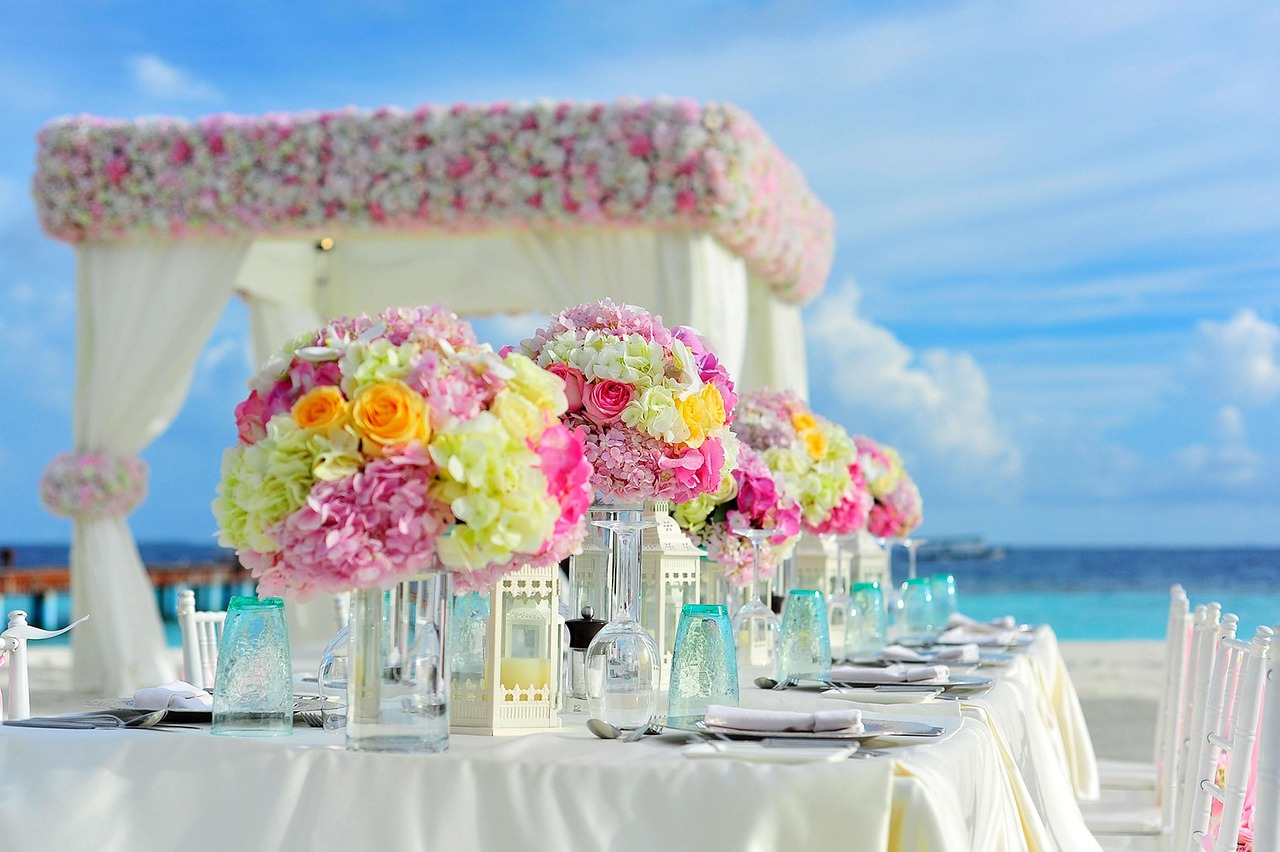
Banquet halls and ballrooms in Ottawa accommodate weddings, galas, and large receptions. Look for clear capacity ratings (seated vs. standing), included tables and chairs, and whether the space has an in-house caterer or allows external vendors. Many venues in this category provide built-in dance floors, staged lighting, and coat-check areas. Ask about acoustics and whether the hall has zoning/noise restrictions for late-night events. Check parking and public transit access for guests; downtown locations often require paid parking or transit directions. Confirm load-in times and freight elevator access if you’ll bring large decor or production equipment.
Outdoor and Garden Spaces
Outdoor spaces suit ceremonies, casual receptions, and summer festivals. Verify the site’s maximum capacity, tenting rules, and if there’s a hard surface for catering trucks and staging. Ottawa venues often require permits for amplified sound and food trucks; you should confirm municipal rules and seasonal availability. Ask whether there is on-site power, restroom facilities, and contingency plans for rain. Consider accessibility for guests with mobility needs and whether the venue provides or recommends preferred vendors experienced with outdoor logistics in Ottawa’s climate.
Historic and Heritage Locations
Historic venues include restored mansions, heritage halls, and museum spaces that offer unique architectural backdrops. These sites typically impose stricter rules on decor, open flames, and rigging to protect fabric and finishes. You should ask about load limits for temporary equipment, insurance requirements, and curfews tied to the building’s preservation policies. Many historic spaces offer curated ceremony locations and limited catering partnerships. Expect varying AV setups; some sites lack integrated sound or lighting and will require external vendors familiar with working in heritage buildings.
Conference and Meeting Facilities
Conference centers and meeting rooms serve corporate meetings, seminars, and training sessions. Prioritize room configurations (theater, classroom, U-shape), breakout room availability, and on-site business services like printing and high-speed Wi-Fi. Confirm AV packages: projector, mic systems, video conferencing, and technician support. Check for flexible catering options for coffee breaks, boxed lunches, and plated meals. Look for proximity to hotels and public transit if attendees travel. Also verify booking policies for multi-day events, secure storage for materials, and accessibility features for all participants.
Choosing the Right Space for Your Event
Pick a venue that fits your guest count, technical needs, budget, and travel constraints. Prioritize capacity and layout first, then confirm amenities, accessibility, transportation options, and clear pricing/booking rules.
Capacity and Layout Considerations
Start by defining your exact headcount: RSVP numbers, plus 10–20% for walk-ins or staff. Ask venues for both seated and standing capacities and request a floor plan that shows columns, fixed stages, and emergency exits.
Match layout to activity. For a conference, you need theatre or classroom setups with aisle width for AV carts. For a wedding reception, banquet rounds and a 10–12 ft dance floor matter. For product launches, clear sightlines and flexible open space are critical.
Check load-in and load-out dimensions. Verify door widths, elevator capacities, and service entrances if you plan staging, large displays, or catering trucks. Confirm whether the venue offers on-site event staff to reconfigure layouts between sessions.
Amenities and Accessibility
List must-have amenities: built-in AV, reliable Wi‑Fi with bandwidth guarantees, on-site catering or approved caterers, coat check, and green rooms or prep areas. Ask for model numbers of projectors, sound systems, and whether microphones and technicians are included.
Confirm accessibility features: wheelchair ramps, accessible washrooms, and elevators that reach all event floors. Request an accessibility statement or site map showing accessible routes and designated parking spaces.
Check climate control and lighting options. Ensure the HVAC covers the room size and that dimmable, controllable lighting and blackout capability exist for presentations. Ask about backup power and surge protection for critical equipment.
Location and Transportation
Choose a location close to the majority of your guests and to key hotels if attendees travel. For downtown Ottawa events, proximity to transit hubs like O‑Train stations and major bus routes reduces reliance on cars.
Evaluate parking and loading zones. Confirm on-site parking counts and rates, or negotiate guest parking validation. For larger events, identify nearby parking garages and shuttle options; get exact distances and walk-times.
Consider traffic patterns and event timing. Weekday peak hours increase travel time; plan start times or provide recommended arrival windows. If many guests fly in, check airport transfer times and availability of ride-hailing services.
Pricing and Booking Policies
Request a detailed cost breakdown: base rental fee, staffing charges, security, cleaning, AV packages, and overtime rates. Insist on a written cost sheet that lists per-hour and flat fees, plus any taxes and service charges.
Clarify deposit and cancellation terms. Ask how much deposit locks the date, when final payment is due, and what penalties apply for reducing guest count. Confirm force majeure conditions and policies for rescheduling.
Review insurance and licensing requirements. Determine whether the venue requires event liability insurance, liquor permits, or union labor for certain services. Get these requirements in writing and factor their costs into your budget.