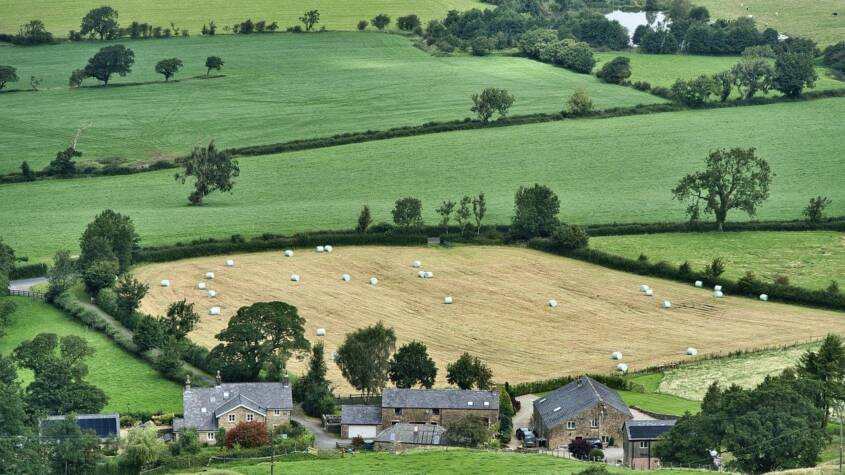
Farms in Ontario play a crucial role in the province’s economy and landscape. Ontario is home to a diverse agricultural sector that includes dairy, crop farming, and horticulture, making it a cornerstone of Canada’s food production. With its rich soil and favorable climate, Ontario supports a wide array of farming operations that contribute to both local and national markets.
The province’s agricultural landscape is not only vital for food supply but also offers unique experiences for visitors and residents alike. From farmers’ markets to agritourism, many opportunities exist for people to engage with the farming community. Exploring the farms in Ontario reveals a blend of tradition and innovation that keeps the sector thriving.
Understanding the types of farms and the diversity within Ontario’s agricultural industry can enhance appreciation for local food systems. With the increasing demand for sustainable practices, Ontario farmers are adapting and evolving, ensuring a secure food future while preserving the land for generations to come.
Agriculture in Ontario
Agriculture plays a vital role in Ontario’s economy and landscape. The province hosts a diverse array of farms and a wide variety of crops and livestock. Understanding the types of farms and the key agricultural productions is essential to appreciating Ontario’s agricultural sector.
Types of Farms
Ontario is home to several types of farms, reflecting its varied climate and soil types. Common farm types include:
- Cash Crop Farms: These farms primarily grow crops like corn, soybeans, and wheat for sale in commercial markets.
- Dairy Farms: Dairy production is significant, with farmers focusing on producing milk, cheese, and related products.
- Livestock Farms: These farms raise animals such as cattle, pigs, and poultry, contributing to the meat and egg industries.
- Horticultural Farms: This category includes fruit and vegetable growers, as well as nurseries that provide plants and flowers.
Each farm type serves critical functions and requirements within the local and national agriculture system.
Key Crops and Livestock
Ontario’s agricultural landscape is characterized by a blend of key crops and livestock.
Crops:
- Corn: Primarily grown as animal feed and for ethanol production.
- Soybeans: Essential for oil and protein, with significant export value.
- Wheat: Varieties include soft red winter and hard red spring wheat, used for various products.
Livestock:
- Dairy Cows: Ontario ranks as Canada’s top dairy-producing province.
- Beef Cattle: The beef sector is significant, providing meat for both local markets and export.
- Poultry: Including broilers and turkeys, poultry is heavily integrated into the provincial supply chain.
This diverse agricultural profile supports Ontario’s economy and food security.
Sustainability and Innovation
Sustainability and innovation in Ontario’s farms focus on environmentally friendly practices and cutting-edge technology. These elements work together to create a resilient agricultural system that supports both the ecosystem and farmers.
Environmental Practices
Ontario farmers implement various environmental practices to promote sustainability. Crop rotation is a common method that enhances soil health and reduces pest buildup. Cover crops are also utilized to prevent soil erosion and improve nutrient cycling.
Additionally, farmers increasingly use Integrated Pest Management (IPM). This approach minimizes chemical use by incorporating natural pest control methods.
Moreover, many farms adopt precision farming techniques, applying inputs like water and fertilizers more efficiently. This boosts productivity while reducing waste and environmental impact.
Efforts to conserve water, such as advanced irrigation systems, further reflect the commitment to sustainable farming. These practices not only protect natural resources but also contribute to the long-term viability of agricultural operations.
Technological Advances
Technological advances are transforming farming in Ontario through automation and data analytics. Many farms now employ drones for crop monitoring. This technology allows for precise assessments of crop health and irrigation needs.
Robotic systems are increasingly used for tasks like planting and harvesting. These innovations improve efficiency while reducing labor costs.
Data-driven farming techniques utilize sensors and software to analyze soil conditions, weather patterns, and crop performance. This information enables farmers to make informed decisions and tailor their practices accordingly.
Additionally, biotechnology plays a role in developing disease-resistant crop varieties. These innovations not only enhance yields but also decrease reliance on pesticides. By embracing technology, Ontario farms are fostering a sustainable agricultural future.
Recycling Drop Off: Essential Tips for Responsible Waste Disposal
Many communities offer recycling dropoff locations, providing an essential service for tho…







SEO Service in Toronto: Elevate Your Online Presence with Expert Solutions
Toronto’s competitive online landscape requires businesses to invest in effective SEO services to enhance …