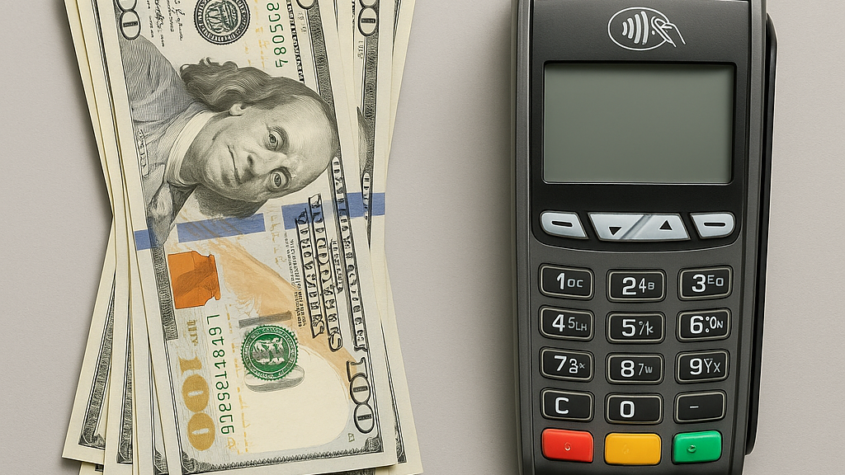
Many businesses struggle with high credit card processing fees, which can significantly impact their bottom line. A cash discount program offers a compelling solution by providing merchants with a way to incentivize cash payments while effectively reducing their payment processing costs. This program allows businesses to pass some costs associated with credit card transactions onto customers who choose to pay with those cards.
Cash Discount Program Merchant Services enable merchants to attract a broader customer base by advertising lower prices for cash payments. This strategy not only helps in saving on processing fees but also fosters customer loyalty by rewarding those who pay with cash. By understanding the mechanics of a cash discount program, businesses can make informed decisions that enhance profitability.
In a competitive marketplace, implementing a cash discount program can set a business apart from its competitors. It is essential for merchants to grasp how this program works and the benefits it offers in order to maximize their success and streamline their operations.
Understanding Cash Discount Programs
Cash discount programs offer merchants a way to reduce credit card processing fees by incentivizing customers to pay in cash. This strategy involves specific legal and operational considerations that merchants should grasp to implement effectively.
Definition and Overview
A cash discount program allows merchants to offer a price reduction to customers who pay with cash. This incentive serves to lower the costs associated with credit card transactions.
In such a program, the merchant might display two prices: one for cash payments and a higher price for card transactions. This distinction encourages customers to opt for cash, thereby saving the merchant on processing fees.
Merchants must clearly communicate these prices at the point of sale to ensure transparency.
Legal and Compliance Aspects
Merchants implementing cash discount programs must adhere to federal and state regulations. The legality of these programs varies by location, and merchants should check local consumer protection laws.
In many states, a cash discount must be presented as a discount rather than a surcharge on card payments. This distinction can impact compliance and customer perception.
Merchants should also disclose prices transparently to avoid misleading consumers. Implementing proper signage and training staff is essential to ensure compliance.
Benefits to Merchants
Cash discount programs present several advantages for merchants. By encouraging cash transactions, they can significantly lower credit card processing fees.
This reduction in costs can improve a merchant’s profit margins. Additionally, cash payments often settle faster than credit transactions, providing quick access to funds.
These programs can also enhance customer loyalty. Customers who prefer cash may appreciate the price incentive, resulting in repeat business.
Finally, promoting a cash discount can streamline accounting processes, as cash transactions can be easier to manage than credit card reconciliations.
Implementing Cash Discount Programs
Establishing a cash discount program requires careful planning and execution. Key considerations include setting up the program, educating staff and customers, and monitoring its effectiveness.
Setting Up the Program
The initial step involves defining the structure of the cash discount program. Merchants should establish clear terms that specify the discount percentage for cash transactions.
Example Structure:
- Discount Rate: 3% for cash payments.
- Eligible Transactions: All purchases above $10.
Next, merchants should adjust their pricing to reflect the discounts offered. This may involve updating point-of-sale (POS) systems to streamline the transaction process.
Additionally, legal compliance is crucial. Merchants must verify that cash discounting is permitted in their jurisdiction and complies with relevant regulations.
Educating Staff and Customers
Staff training is essential for a smooth rollout. Employees should understand how the cash discount program operates and be equipped to inform customers clearly.
Key training points include:
- Explaining the benefits of cash payments.
- Providing information on how to apply the discount at checkout.
Customer education can take various forms. Merchants may consider signage in the store, website updates, and social media announcements.
Clear communication helps to minimize confusion and resistance from customers unfamiliar with the concept.
Monitoring and Adjusting the Program
After implementation, merchants should continuously monitor the program’s performance. This involves tracking the rate of cash transactions and customer feedback.
Key Metrics to Track:
- Number of cash vs. card transactions.
- Customer satisfaction scores.
Regular reviews can highlight areas for improvement. Merchants may need to adjust the discount rate or promotional strategies based on data gathered.
Engaging with customers for their opinions can yield valuable insights. Adapting the program proactively can enhance its acceptance and effectiveness over time.

Recycling Drop Off: Essential Tips for Responsible Waste Disposal
Many communities offer recycling dropoff locations, providing an essential service for tho…







SEO Service in Toronto: Elevate Your Online Presence with Expert Solutions
Toronto’s competitive online landscape requires businesses to invest in effective SEO services to enhance …