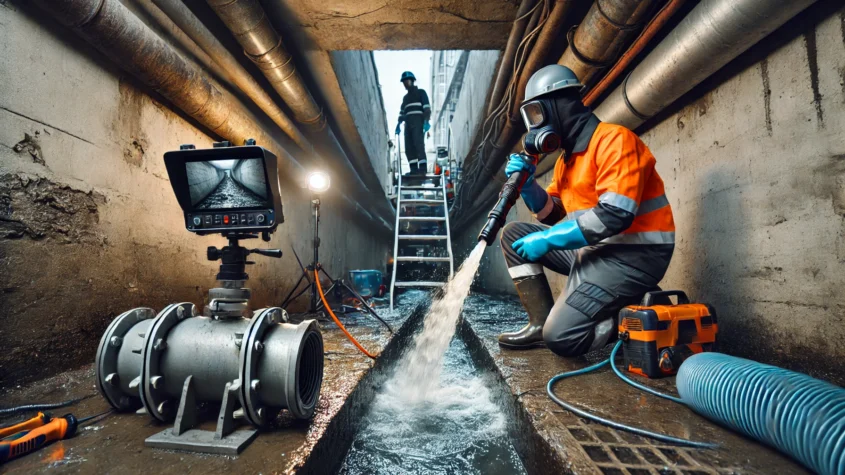
A drains camera is a specialized tool used to inspect the condition of drainage systems. It provides real-time video footage that helps identify blockages, leaks, and structural issues within pipes. This technology has revolutionized plumbing by allowing professionals to accurately diagnose problems without unnecessary digging or disruption.
With its flexible camera head, a drains camera can navigate through various types of drainage systems, including residential and commercial pipes. This capability enables technicians to target specific areas that require attention, ensuring efficient repairs and maintenance. Understanding how this tool works can significantly enhance one’s approach to dealing with drainage issues.
Adopting the use of a drains camera can save time and money, making it an invaluable asset for both plumbers and homeowners. Recognizing the signs that might warrant a camera inspection can lead to timely interventions and prevent more serious complications down the line.
Drain Camera Technology
Drain camera technology plays a crucial role in inspecting, diagnosing, and maintaining drainage systems. This technology combines advanced imaging techniques with versatile camera designs to effectively visualize inaccessible areas within pipes and drains.
Types of Drain Cameras
Several types of drain cameras are used in different applications. These include:
- Push Cameras: Lightweight and portable, push cameras are manually inserted into the drain. They are ideal for smaller pipes and allow for real-time video transmission.
- Crawl Cameras: These are designed for larger drainage systems. Equipped with track systems, crawl cameras navigate through expansive pipes to capture detailed footage.
- Robotic Cameras: Offering advanced automation, robotic cameras can carry out inspections in complex environments. They are often controlled remotely and provide high-quality imaging.
Key Features and Specifications
Essential features of drain cameras enhance their functionality and efficacy. Important specifications include:
- Camera Resolution: Higher resolution (e.g., 720p, 1080p) delivers clearer images, enabling better identification of issues.
- Light Source: LED lights improve visibility in dark environments, ensuring comprehensive inspection results.
- Cable Length: The length of the cable determines how far the camera can reach. Standard lengths range from 30 to over 100 feet.
- Recoding Capabilities: Many models offer onboard recording, allowing operators to save inspection data for future reference and analysis.
Advancements in Imaging and Sensing
Recent advancements have significantly improved drain camera technology. Notable developments include:
- High-Definition Imaging: Enhanced sensors provide greater detail, making it easier to detect problems such as cracks or blockages.
- Pan-and-Tilt Functions: This innovation allows cameras to adjust their angle, providing a full view of the pipe’s interior without repositioning.
- 3D and Thermal Imaging: These technologies offer insights into structural integrity and detect temperature changes, indicating potential issues like leaks.
These advancements contribute to more effective and efficient drainage inspections, resulting in better maintenance outcomes.
Practical Applications
Drain cameras have become essential tools for various plumbing and maintenance applications. Their ability to provide clear visuals of internal piping helps identify problems efficiently, facilitating quicker repairs and maintenance.
Residential and Commercial Plumbing
In residential and commercial plumbing, drain cameras are invaluable for troubleshooting. They allow plumbers to inspect pipes for clogs, breakages, or corrosion without invasive methods.
Using these cameras, they can pinpoint exact locations of blockages. This precision reduces the time and effort required for repairs. Additionally, homebuyers often benefit from inspections to assess existing plumbing conditions before purchase.
Key Benefits:
- Accurate identification of issues
- Reduced repair time
- Preventative maintenance insights
Municipal Sewer Maintenance
Municipalities use drain cameras for sewer system evaluations. Inspecting sewage lines helps detect leaks, blockages, and structural issues, ensuring public health and environmental safety.
Routine inspections with these cameras assist local governments in maintaining their sewer infrastructure. They can gather data on the condition of pipes and determine the need for repairs or replacements.
Key Advantages:
- Enhanced public safety
- Informed decision-making for infrastructure investments
- Early detection of potential hazards
Industrial Pipeline Inspections
In industrial settings, drain cameras play a crucial role in maintaining large-scale pipelines. These cameras help companies monitor the condition of their systems regularly, preventing costly shutdowns.
By identifying wear, corrosion, and blockages, companies can take timely action to ensure smooth operations. This proactive approach to maintenance minimizes downtime and extends the lifespan of the infrastructure.
Significant Points:
- Regular monitoring reduces operational risks
- Helps in plan scheduling for maintenance
- Ensures compliance with safety regulations
Recycling Drop Off: Essential Tips for Responsible Waste Disposal
Many communities offer recycling dropoff locations, providing an essential service for tho…






SEO Service in Toronto: Elevate Your Online Presence with Expert Solutions
Toronto’s competitive online landscape requires businesses to invest in effective SEO services to enhance …