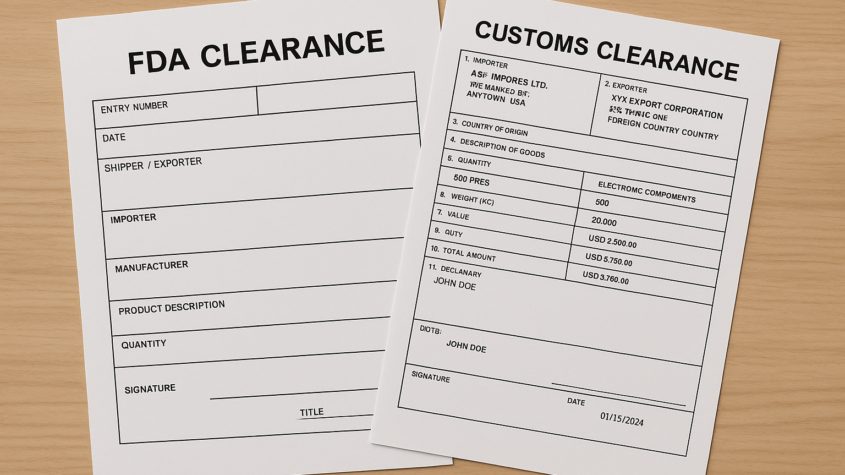
Navigating the complexities of FDA regulations can be daunting for many importers and food businesses. The FDA Prior Notice is a crucial step that must be completed before any food products intended for the U.S. arrival, ensuring that these products meet safety standards. This requirement not only facilitates smoother customs procedures but also safeguards public health.
Understanding the specifics of the Prior Notice can significantly impact the efficiency of the import process. By submitting the necessary information in advance, businesses can avoid delays and ensure compliance with federal regulations. This proactive approach is vital in today’s fast-paced market, where the timely arrival of goods can be a competitive advantage.
As the landscape of food importation continues to evolve, staying informed about FDA requirements becomes increasingly important. Knowledge of the Prior Notice process empowers businesses to navigate potential pitfalls and maintain a trustworthy supply chain. This article will explore the essential components of the FDA Prior Notice and how it benefits both importers and consumers alike.
FDA Prior Notice Overview
FDA Prior Notice plays a critical role in ensuring that imported food and drugs meet safety standards. This process requires prior notification to the FDA of incoming shipments, allowing for effective risk management and public health protection.
Purpose and Legal Basis
The primary purpose of FDA Prior Notice is to provide the FDA with advance information about food products entering the United States. This requirement helps to identify potential hazards and prevent unsafe items from reaching consumers.
The legal basis for this mandates comes from the Bioterrorism Act of 2002, which was enacted to enhance the security of the food supply. The law emphasizes the need for real-time information on imported goods to mitigate public health threats.
Key Components
Key components of the FDA Prior Notice include the following:
- Information Required: Shippers must provide details such as the product name, quantity, and country of origin. This information is crucial for effective evaluation.
- Timing: Prior Notice must be submitted at least two hours before the arrival of the shipment at a port of entry. This timeframe allows the FDA to assess risks adequately.
- Submission Methods: Notifications can be submitted electronically through the FDA’s Prior Notice System Interface (PNSI), ensuring quick processing.
Failure to comply with these components may result in delays or refuse entry to the shipment. Understanding these requirements is essential for importers aiming to ensure compliance with U.S. food safety regulations.
Compliance and Submission Process
Navigating the compliance and submission process for FDA prior notice is crucial for importers. Understanding the methods, required information, and deadlines ensures the timely and accurate submission of notices.
Submission Methods
The FDA offers several submission methods for prior notice, allowing importers flexibility.
- Electronic Submission: The most common method is through the FDA’s Prior Notice System Interface (PNSI). Importers can submit notices online, which often expedites the process.
- Fax and Mail: Importers also have the option to submit prior notices via fax or mail. However, these methods may result in longer processing times.
- Customs Broker Submission: Importers can delegate submission to a customs broker. This might help in navigating regulatory requirements efficiently.
Utilizing the electronic route is generally recommended for speed and efficiency.
Required Information
To complete a prior notice submission, specific information is mandatory:
- Product Details: This includes the product name, quantity, and description, ensuring clarity on what is being imported.
- Origin and Source: Importers must provide information about the manufacturer and the country of origin. This helps in assessing compliance with safety regulations.
- Expected Arrival: Anticipated arrival dates are essential as they help the FDA prioritize inspections.
Providing thorough and accurate information minimizes the risk of submission rejection or delays.
Deadlines and Timeframes
Timely submission of prior notice is essential for smooth import processes.
- Minimum Notice Time: Importers must submit a prior notice at least 2 hours before the arrival of the food product by land and at least 4 hours prior if arriving by air.
- Expiration: Once submitted, a prior notice is valid for 30 days. If the product does not arrive within this timeframe, a new notice must be submitted.
- Amendments: Changes to the prior notice must also adhere to the same timeframes to remain compliant.
Importers should always account for these deadlines to prevent any disruptions in the importation process.
Recycling Drop Off: Essential Tips for Responsible Waste Disposal
Many communities offer recycling dropoff locations, providing an essential service for tho…







SEO Service in Toronto: Elevate Your Online Presence with Expert Solutions
Toronto’s competitive online landscape requires businesses to invest in effective SEO services to enhance …