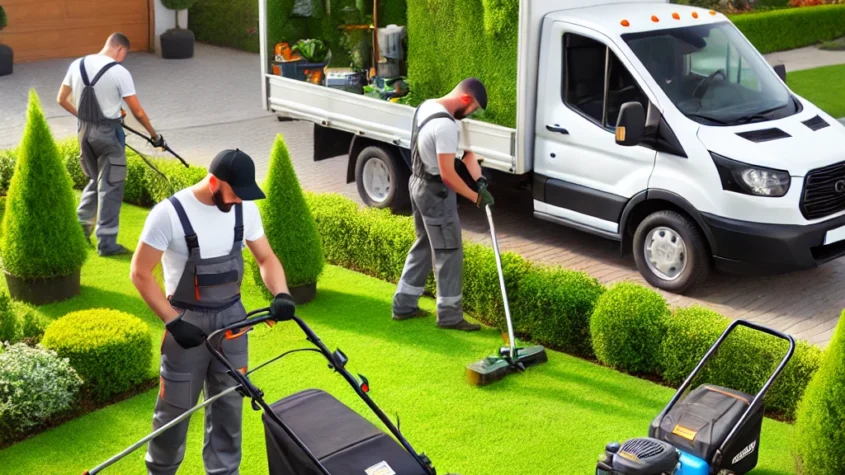
A lush, vibrant lawn can enhance the beauty of any property. Lawn treatment services focus on providing professional care that promotes healthy growth and prevents common problems such as weeds, pests, and diseases. Using expert techniques, these services ensure that lawns receive the right nutrients and treatments at the appropriate times.
Many homeowners struggle with DIY lawn care, often leading to inconsistent results. By enlisting a lawn treatment service, they benefit from tailored solutions powered by experienced professionals. With the right approach, a treatment service can dramatically improve a lawn’s appearance and health.
Investing in lawn treatment not only elevates the aesthetic appeal of a property but also contributes to its value. Regular maintenance through professional services leads to a greener, more resilient lawn. Homeowners can enjoy their outdoor spaces without the stress of managing treatments themselves.
Understanding Lawn Treatment Services
Lawn treatment services encompass a range of practices aimed at maintaining and enhancing the health of lawns. These services include various treatments suited for different lawn conditions and help identify and resolve common lawn issues.
Types of Lawn Treatments
Lawn treatments generally fall into several categories:
- Fertilization: This process involves applying nutrients to promote healthy growth. Different fertilizers cater to specific grass types and soil conditions.
- Weed Control: These treatments target unwanted plants that compete for resources. Options include pre-emergent and post-emergent herbicides.
- Pest Management: This includes methods for controlling insects and other pests that can harm the lawn. Integrated pest management approaches minimize chemical usage.
- Aeration: Aeration involves perforating the soil to allow air, water, and nutrients to penetrate. This promotes root development and improved lawn resilience.
Benefits of Regular Lawn Care
Engaging in regular lawn care offers numerous advantages:
- Aesthetics: A well-maintained lawn enhances the visual appeal of a property.
- Healthier Grass: Regular treatments lead to denser, healthier grass that is more resistant to diseases.
- Increased Property Value: A manicured lawn can elevate property value, making it more attractive to potential buyers.
- Ecosystem Support: Healthy lawns contribute to local ecosystems by supporting beneficial insects and enhancing soil health.
Identifying Lawn Problems
Detecting issues in a lawn is key for effective treatment. Some common problems include:
- Brown Patches: Often caused by dehydration, pests, or diseases, they require investigation to determine the underlying cause.
- Weed Infestation: Weeds can signal poor lawn health or ineffective treatments. Identifying the type of weed is essential for appropriate control measures.
- Moss Growth: Typically indicative of excessive moisture or shade, moss can inhibit grass growth.
Prompt identification and treatment of these problems will result in a healthier lawn.
Selecting Your Lawn Treatment Provider
Choosing the right lawn treatment provider is essential for achieving a healthy, vibrant lawn. Key considerations include evaluating service offerings, understanding care plans, and ensuring tailored solutions that meet specific lawn needs.
Evaluating Professional Services
When selecting a lawn treatment provider, consider their experience and credentials. Look for companies with a solid track record and certifications in turf management.
Key questions to ask:
- How long have they been in business?
- What types of services do they offer?
- Are their technicians certified and trained?
Read customer reviews and testimonials to gauge satisfaction. A professional provider will offer a range of services such as fertilization, weed control, and pest management. Ensure they use quality products and environmentally friendly methods where possible.
What to Expect from Your Lawn Care Plan
An effective lawn care plan is a roadmap to maintaining a healthy lawn throughout the year. It should include scheduled treatments, maintenance checks, and recommendations for seasonal care.
Typical elements of a care plan may include:
- Fertilization schedules
- Aeration and overseeding strategies
- Weed and pest control timelines
The provider should clearly communicate these details and outline the expected outcomes. Clients should receive regular updates and the chance to discuss any concerns. Transparency is key to a successful partnership.
Tailored Solutions for Your Lawn
Every lawn has unique characteristics and challenges. A reputable provider will assess specific conditions such as soil type, sun exposure, and existing pests or diseases.
During the assessment, they should:
- Conduct soil tests
- Evaluate grass type and health
- Discuss customer preferences and lawn goals
Based on this information, customized treatments can be recommended. Tailored solutions ensure that interventions effectively address the unique needs of the lawn, leading to better long-term results.
Recycling Drop Off: Essential Tips for Responsible Waste Disposal
Many communities offer recycling dropoff locations, providing an essential service for tho…




SEO Service in Toronto: Elevate Your Online Presence with Expert Solutions
Toronto’s competitive online landscape requires businesses to invest in effective SEO services to enhance …