

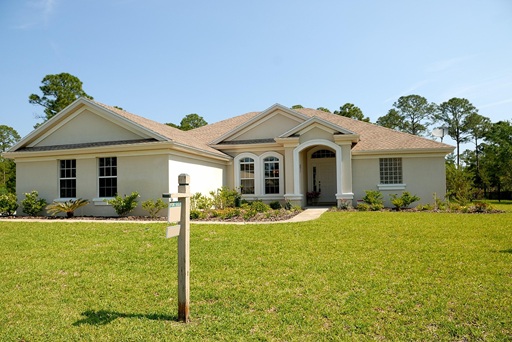
2 Bedroom Apartments for Rent London Ontario — Affordable Options Near Downtown and Universities
Looking for a two-bedroom apartment in London, Ontario? Expect a wide range of options—from modern units with in-suite laundry and open floor plans to affordable condos and rental buildings across varied neighbourhoods—so you can match your budget, space needs, and commute. You can find a well-priced, move-in-ready two-bedroom in London by prioritizing the features that matter most to you and focusing your search on neighbourhoods that fit your lifestyle.
This post 2 Bedroom Apartments for Rent London Ontario walks you through what to look for in a two-bedroom (layout, storage, utilities, and amenities), how neighbourhood choice affects cost and daily life, and practical search tips to narrow options quickly. Use the guidance here to target listings that fit your needs and avoid time-wasting viewings.
Essential Features of Two-Bedroom Apartments
You’ll want a clear sense of floor plan, typical local pricing, and the amenities that affect daily life and long-term value. These three areas determine comfort, commute practicality, and monthly cost.
Layout Options
Two-bedroom layouts in London, Ontario commonly range from a compact 70–90 m² open-plan unit to larger 100+ m² split-bedroom designs.
Open-plan layouts combine kitchen, dining, and living areas into a single space, which improves flow and makes furnishing flexible. Choose this if you entertain often or prefer a brighter common area.
Split-bedroom layouts place bedrooms on opposite sides of the living area for added privacy—useful if you share with a roommate or work from home.
Look for features like in-suite laundry, walk-in closets, and designated storage; these affect livability as much as square footage.
Also note balcony access, floor level, and elevator availability if mobility or outdoor space matters to you.
Pricing Trends
Expect rental prices to vary by neighbourhood, building age, and included utilities. Recent listings in Greater London show two-bedroom starting around CAD 1,175 and rising to higher mid-range amounts depending on location.
Central areas and newer developments command premiums; properties near Fanshawe College, downtown, or major transit corridors typically cost more.
Factor in extras: parking, heat, water, and internet can add CAD 50–200 monthly when not included.
Compare net rent and total monthly cost. Use a short checklist: base rent, utilities included, parking fees, pet fees, and lease length to evaluate true affordability.
Amenities
Prioritize amenities that match your lifestyle: in-unit laundry, dishwasher, and air conditioning reduce daily friction.
Building amenities like secure entry, bike storage, and on-site maintenance improve convenience and safety. If you drive, secure parking or underground stalls matter; if you bike or use transit, proximity to rapid routes and bike storage becomes more important.
Shared features such as a gym, rooftop terrace, or package rooms add value but often increase rent.
Verify which amenities are included versus pay-per-use and confirm access hours, guest policies, and any reservation systems before signing.
Finding the Right Neighborhood in London, Ontario
Consider commute time, monthly rent range, and nearby amenities when choosing a neighborhood. Prioritize whether you want walkable shops and transit access, quieter residential streets, or proximity to schools and hospitals.
Central Locations
If you want shorter commutes and nightlife, focus on Downtown, Old East Village, and Wortley Village. Downtown offers frequent bus routes, bike lanes, and buildings with in-suite laundry or utilities included, but expect higher rents and limited parking.
Old East Village gives more affordable older-stock apartments near cafés and bakeries, with several two-bedroom listings often close to Dundas and Adelaide. Wortley Village provides quiet, tree-lined streets and independent shops while remaining a 10–15 minute bus ride from Western University.
Check building age, elevator access, and parking policies when touring. Look for nearby grocery stores, gyms, and evening transit frequency if you rely on public transport.
Suburban Choices
If you prefer more space and parking, examine Byron, Masonville, and White Oaks. These areas typically feature newer mid-rise buildings or townhome conversions with underground or surface parking included.
You’ll likely pay slightly less per square foot than downtown for comparable two-bedroom layouts and gain access to larger grocery stores, plazas, and green spaces. Commuting by car often takes 15–25 minutes to central London, so factor peak-hour traffic into your schedule.
Confirm snow-clearing responsibilities, visitor parking availability, and distance to major roads (Highway 401 access via Wellington Road or Fanshawe Park Road) before signing a lease.
Proximity to Schools and Transit
If schools or transit matter, map exact walking distances and bus routes for each listing. Western University, Fanshawe College, and several elementary/high schools have specific transit lines and bike paths; living within a 10–20 minute bus ride reduces daily uncertainty.
Use transit apps to check peak and off-peak frequencies; some routes run every 10–15 minutes downtown but only every 30–60 minutes in outer neighborhoods.
Also verify school catchment zones and childcare availability if you have children, and check for nearby hospitals (London Health Sciences Centre locations) when medical access is a concern.