
Exterior Renovations: Expert Strategies for Curb Appeal, Durability, and Value提升
Exterior renovations change how your home looks and how it performs—raising curb appeal, boosting durability, and often increasing resale value. Focus on the right elements—roofing, siding, windows, doors, and outdoor living features—to get the biggest visual and functional return for your investment. You’ll learn which upgrades matter most for weather protection, energy efficiency, and long-term maintenance.
Start with clear goals: durability, style, or added living space. Practical choices—quality materials, proper installation, and attention to moisture control—deliver lasting results and make subsequent aesthetic choices easier.
Core Elements of Exterior Home Improvement
In Exterior Renovation You’ll focus on materials and systems that affect durability, energy use, and curb appeal. Prioritize choices that match your climate, maintenance tolerance, and long-term budget.
Siding Replacement Options
Choose siding based on durability, maintenance, and insulation needs. Vinyl offers low cost and low maintenance but varies in thickness; pick Class 1 or better for impact resistance. Fiber cement resists rot, insects, and fire; expect professional installation and occasional repainting. Engineered wood gives a real wood appearance with greater dimensional stability than natural wood, but still needs periodic painting or staining.
Consider insulated siding or add rigid foam sheathing to improve R-value and reduce thermal bridging. Pay attention to installation details: proper flashing, a weather-resistive barrier, and ventilation behind cladding prevent moisture problems. Match trim and corners to the siding material to avoid differential expansion issues. Get at least three bids, compare warranty terms, and confirm that the quoted substrate prep (rot removal, sheathing replacement) is included.
Roofing Materials and Technologies
Select roofing that suits your roof pitch, climate, and lifespan goals. Asphalt shingles are economical and last 20–30 years for architectural grades; choose class A fire-rated products in fire-prone areas. Metal roofing lasts 40+ years, sheds snow, and reflects heat; factor in soundproofing for rain. Clay or concrete tiles handle heat and last long but require reinforced framing due to weight.
Assess underlayment and ventilation as part of the system: synthetic underlayments, drip edges, ridge vents, and soffit vents extend shingle life and reduce attic heat. Consider solar-ready or integrated photovoltaic shingles if you plan solar later. Get a written scope covering flashing replacement, valley work, and ice-and-water shield in vulnerable areas to avoid leaks.
Window and Door Upgrades
Upgrade windows and doors to boost comfort, security, and energy efficiency. Choose double- or triple-pane glazing with low-E coatings and argon/krypton fill for reduced heat transfer. Look for U-factor and SHGC ratings suited to your climate: lower U-factor in cold regions, moderate SHGC in mixed climates. Vinyl and fiberglass frames resist moisture; thermally broken aluminum offers slim profiles with better insulation than standard aluminum.
For doors, use solid-core fiberglass or steel for exterior entries and insulated wood or steel for patio doors with proper thermal breaks. Ensure flashing, proper sill pans, and exterior trim with back-primed wood or composite to prevent water intrusion. Upgrade hardware to multi-point locks and storm-rated components in high-wind zones. Hire installers certified by window manufacturers to preserve warranties and verify airtight installation with blower-door or infrared inspection if possible.
Enhancing Visual Appeal and Outdoor Spaces
You can boost curb appeal, create usable outdoor living, and tie hardscape and plantings into a cohesive exterior. Targeted updates—front entry improvements, a well-designed deck or patio, and intentional landscaping—deliver the most visible impact for cost and enjoyment.
Improving Curb Appeal
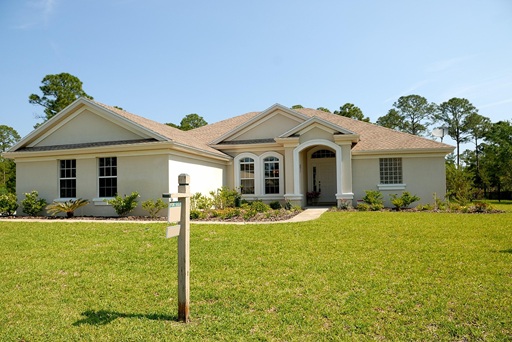
Start with high-impact, low-cost changes that address the front elevation and approach to your home. Paint or replace the front door in a durable, contrasting color; install new house numbers and a modern mailbox; and add focused lighting to illuminate the pathway and entry.
Repair or replace damaged siding, trim, and gutters to remove visual distractions. Clean or upgrade the driveway surface and define the walkway with edging or pavers for a crisp approach.
Focus on three visual anchors: the door, the porch/entry, and the landscaping framing them. Choose materials and colors that complement your home’s architectural style to avoid visual clash.
Deck and Patio Installations
Decide whether you want an elevated deck, ground-level patio, or both based on yard slope, intended use, and maintenance tolerance. For low-maintenance options, choose composite decking or concrete pavers; for a warmer look, use pressure-treated wood or natural stone.
Size the space to match activities—10×12 ft suits a dining set for four, while 12×16 ft accommodates a lounge area and small grill. Include built-in features like bench seating, planters, or an integrated fire pit to save floor space and add permanence.
Design for circulation and privacy: leave a 3–4 ft clearance for walkways, orient seating toward views, and incorporate screens, trellises, or plant buffers to reduce sightlines from neighbors.
Landscaping Integration
Use a layered planting plan to create year-round structure: combine evergreen foundation shrubs, seasonal perennials, and bulbs for spring color. Place larger shrubs or small trees to anchor corners and frame sightlines, keeping utility lines and root zones in mind.
Integrate hardscape elements—pathways, retaining walls, and raised beds—to control grade, improve drainage, and define activity zones. Specify permeable pavers or gravel where water must infiltrate and install drip irrigation for efficient, targeted watering.
Select plant species adapted to your hardiness zone and sun exposure to minimize replacement and maintenance. Add task lighting, mulch, and clean edging to maintain a polished appearance with minimal effort.