
Best Fence Installers Near Me: Trusted Local Pros for Secure, Quality Fencing
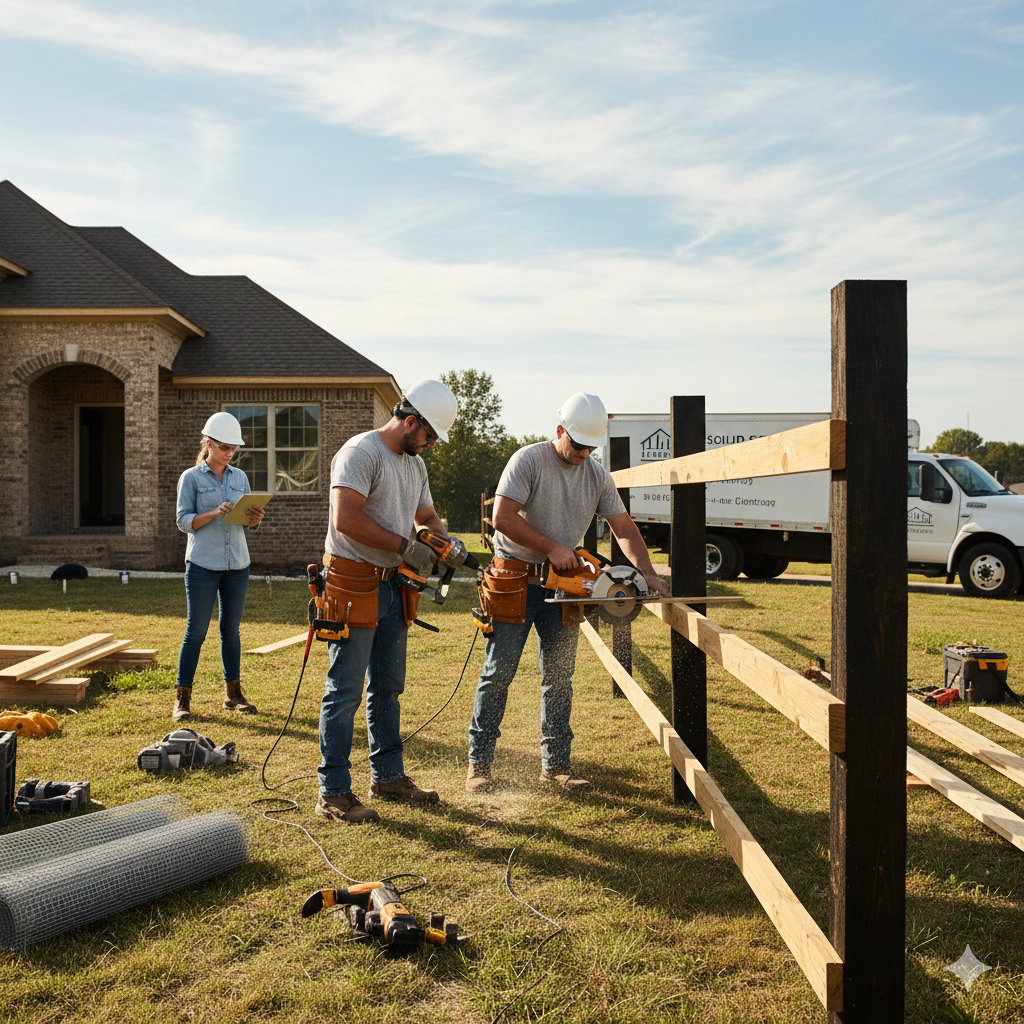
You want a dependable fence installers near by who matches your budget, timeline, and style. The best way to find one is to prioritize local, highly rated contractors who are licensed, insured, and offer clear estimates—get at least three quotes and compare materials, warranties, and timelines. This article helps you evaluate those factors so you can pick the installer that fits your property and priorities.
In Best Fence Installers Near Me You’ll learn how to weigh materials and design options against cost and maintenance, and what questions to ask during in-home consultations. By the end, you’ll know how to narrow choices quickly and confidently so your project moves from quote to finished fence without surprises.
Key Factors in Selecting a Fence Installation Service
Focus on legitimacy, hands-on experience with the exact materials you want, and what real local customers say about timing, cleanup, and warranty. These three areas directly affect cost accuracy, installation quality, and long-term performance.
Credential Verification and Licensing
Confirm the contractor holds required local licenses and contractor insurance before any work begins. Ask for license numbers and verify them with your city or state lookup tool; that protects you if permits or inspections are required.
Request proof of general liability and worker’s compensation coverage. Get policy details in writing and note expiration dates. This prevents you from becoming liable for on-site injuries or accidental damage.
Check whether the installer pulls permits for fence work and knows local setback and height rules. A company that handles permit applications shows familiarity with code compliance and reduces the risk of costly rework.
Experience in Fence Types and Materials
Choose a contractor who has installed the specific material you want—wood, vinyl, aluminum, chain-link, or composite. Installation techniques, post spacing, and foundation depth differ by material and affect durability.
Ask for examples and photos of recent jobs using your chosen material. Request references for similar properties (slope, soil type, exposure). This reveals practical knowledge about site-specific issues like rocky soil or frost heave.
Confirm they supply or will properly source materials if you prefer them to do so. Discuss post-setting methods (concrete vs. gravel), hardware grade, and recommended finish or sealant to match your maintenance expectations.
Customer Reviews and Local Reputation
Look for detailed reviews that mention punctuality, cleanup, communication, and how warranty claims were handled. One-off five-star ratings mean less than multiple consistent reviews describing the same strengths.
Check local sources: neighborhood groups, Better Business Bureau entries, and recent review timestamps. Pay attention to replies from the company; professional, solution-focused responses indicate accountability.
Ask neighbors or your HOA for direct referrals and drive by recent installations when possible. Seeing completed work in your area gives the best sense of workmanship, gate alignment, and paint or stain consistency.
Materials and Design Options
Choose materials based on durability, maintenance, cost, and the look you want. Think about how long you want the fence to last, how much upkeep you’ll do, and which styles match your home and yard.
Comparing Wood, Vinyl, and Metal Fencing
Wood: Offers the most design flexibility — picket, board‑on‑board, or stockade styles. Cedar and redwood resist rot and insects better than pine but cost more. Expect periodic staining or sealing every 2–5 years to keep it looking good; untreated wood may need repairs within 5–10 years depending on climate.
Vinyl: Low maintenance and resists moisture, warping, and pests. Color options and faux‑wood textures reduce repainting needs. Initial cost can be higher than basic wood, but you typically avoid ongoing staining and frequent repairs.
Metal (aluminum, steel, wrought iron): Best for security and long lifespan. Aluminum resists rust and suits ornamental styles; steel and wrought iron provide greater strength but require rust protection. Metal panels or pickets often need less space for posts, letting you preserve sightlines while improving security.
Custom and Decorative Fence Solutions
Customize height, picket spacing, and post caps to match local codes and your privacy needs. For privacy, solid panels 6–8 feet high block views and noise; for airflow and visibility, choose spaced pickets or lattice tops. You can mix materials — for example, a brick or stone base with wood or metal panels above — to increase durability at ground level and add curb appeal.
Decorative elements include arbors, integrated planters, and laser‑cut metal panels for modern accents. Gate hardware, hinges, and latches affect both function and style; choose stainless steel or galvanized hardware in humid climates. If you want pet or child safety, specify smaller gaps, self‑closing latches, and ground skirts to stop digging.