
Building Integrated Photovoltaic Panels: Design Strategies and Performance Optimization
Building integrated photovoltaic panels turn parts of your building—roofs, façades, windows—into active power generators while serving as structural or aesthetic elements. If you want to cut energy costs and add renewable generation without separate mounting systems, BIPV lets your building itself produce electricity.
You’ll explore how modern Building Integrated Photovoltaic materials and design choices affect performance, installation, and appearance, and what trade-offs to weigh when integrating solar into building envelopes. Expect practical insight on technologies, real-world applications, and where BIPV is headed so you can decide whether it fits your project goals.
Core Technologies and Design Considerations
You’ll need to balance material choice, mounting method, and predicted energy output when specifying BIPV. Consider durability, fire and water resistance, and how the modules affect the building envelope and HVAC loads.
Photovoltaic Materials and Cell Types
You should select PV materials based on aesthetics, efficiency, weight, and durability. Crystalline silicon (monocrystalline and polycrystalline) delivers the highest steady-state conversion efficiency (typically 18–24% for monocrystalline in commercial products) and strong longevity, but it is heavier and less flexible.
Thin-film options (CIGS, CdTe, amorphous silicon) offer lower efficiency (often 10–16%) but greater flexibility and easier integration into curved façades or translucent elements.
Perovskite and tandem cells promise higher efficiencies and customizable opacity, but you must weigh their current stability and encapsulation challenges before specifying for façades or glazing.
Also consider glass-glass laminates, encapsulants (EVA, POE), and backsheets; these determine UV resistance, fire performance, and long-term water ingress protection.
Architectural Integration Methods
You must match product category to function: replace (roof tiles, curtain wall panels), cover (shingles, cladding), or augment (canopies, sunshades). Each approach changes structural attachment, thermal bridging, and maintenance access.
Curtain wall BIPV or glazed BIPV requires coordination with structural mullions, water management, and glazing U-values. Use unitized panels for faster installation; use custom in-field lamination when geometry demands.
Mounting details matter: ventilated rainscreen systems reduce thermal stress and improve module cooling; structural bonding reduces penetrations but increases replacement difficulty.
Specify fire ratings, wind load capacity, and serviceability (module replacement and cleaning). Ensure electrical routing and inverter siting integrate with your building’s power distribution.
Efficiency and Performance Factors
You should quantify expected yield using orientation, tilt, shading analysis, and local irradiance data. South-facing vertical façades in temperate climates produce less energy per area than tilted roofs; plan array layout accordingly.
Thermal management affects performance: increased operating temperature reduces cell efficiency (approx. −0.3 to −0.5% per °C for silicon). Provide airflow behind modules or select low-temperature-coefficient cells for hot climates.
System-level components matter: MPPT strategies, stringing configuration, and microinverters/optimizers mitigate mismatch from partial shading or mixed orientations.
Also account for soiling rates, degradation (typically 0.5–1%/yr for high-quality modules), and realistic system losses (wiring, inverter, mismatch — often modeled as 10–15%).
Applications and Future Outlook
BIPV turns building elements into electricity-generating surfaces while maintaining design intent and weather protection. You will find practical deployments, measurable environmental and economic effects, and clear technological trends shaping scalability.
Commercial and Residential Use Cases
You can integrate PV into roofs, facades, canopies, windows, and shading devices to produce on-site power without separate racking systems.
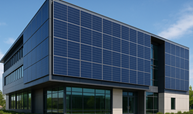
For commercial buildings, large façades and rooftop areas often use opaque BIPV modules or semi-transparent curtain-wall panels to offset peak demand and reduce grid charges. Office towers and retail centers commonly pair BIPV with building energy management systems to shape load and lower demand charges.
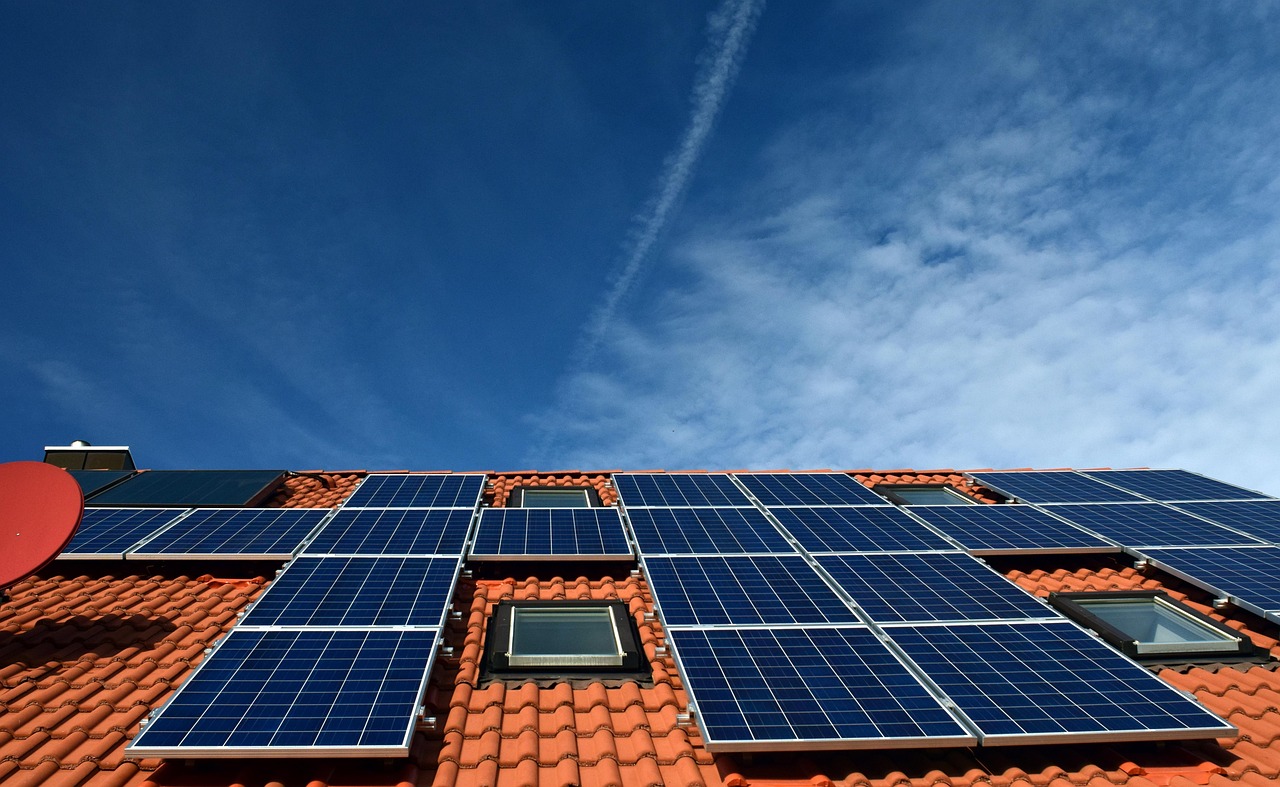
In residences, thin-profile roof-integrated modules and solar shingles replace conventional roofing, preserving curb appeal while generating 2–8 kW typical system sizes for single-family homes.
Multi‑unit residential projects use bifacial or facade BIPV to capture reflected light from pavements and reduce common-area energy costs. You should size systems to local irradiance, roof geometry, and envelope constraints for best return.
Environmental and Economic Impact
BIPV reduces operational carbon by generating electricity at the point of use, lowering transmission losses and on-site fossil fuel consumption.
When you replace conventional cladding or roofing with PV, you also avoid some embodied emissions from separate materials, though lifecycle benefits depend on module type and building lifespan.
Economically, BIPV alters project cost breakdowns: material and installation costs rise, but you save on separate roofing/cladding and receive long-term energy savings.
Payback varies widely—typical commercial projects show 6–15 year simple paybacks with incentives; residential paybacks often fall in the 8–20 year range depending on incentives, electricity prices, and system performance. You should include maintenance, warranty, and potential glass or module replacement costs in financial models.
Innovations and Advancements
You will see rapid improvements in cell architectures and product formats that expand where BIPV fits.
Expect wider commercial adoption of bifacial cells, semi-transparent modules for glazing, and colored or textured modules that match architectural finishes.
Advances in thin-film and perovskite tandems aim to raise efficiency at lower weight, enabling retrofit and lightweight facade applications.
Digital tools—BIM integration, irradiance simulation, and prefabricated BIPV panels—streamline design and reduce onsite labor. Energy-plus façades that combine PV with thermal recovery or ventilation are emerging for high‑performance urban projects.