

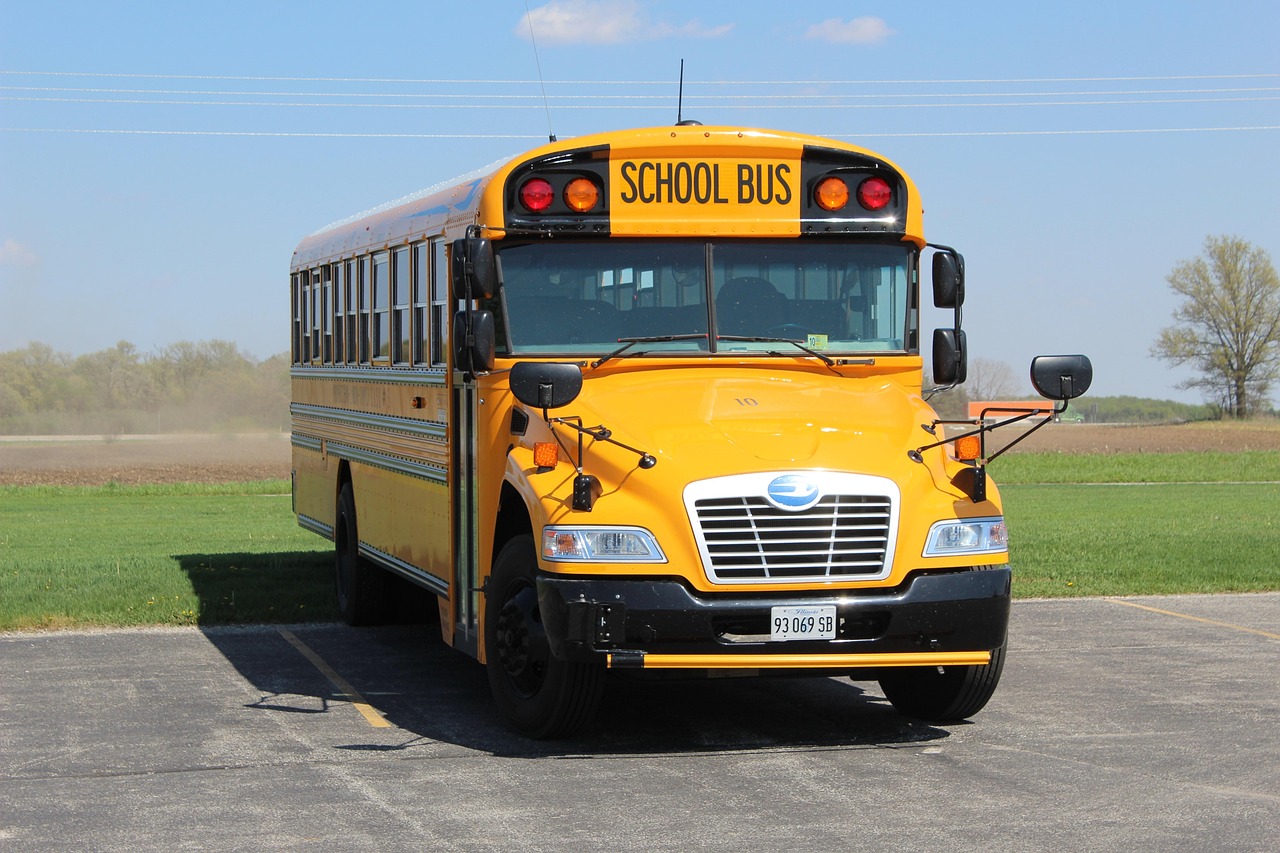
School Bus Transportation Safety Standards and Best Practices
You depend on school bus transportation to move students safely, reliably, and on schedule every day. A well-run school bus system cuts commute stress, reduces traffic around schools, and gives you clear rules and routines that protect students from pick-up to drop-off.
This article School Bus Transportation explains the practical safety measures, daily operations, and logistics that make that happen, so you can spot what matters when evaluating routes, policies, or providers. Expect clear facts about eligibility, routing, driver standards, and on‑board procedures that help you make informed decisions about student transport.
Essential Safety Measures
You must ensure drivers are qualified, emergency procedures are rehearsed, and student behavior is controlled. These elements work together to reduce risk during boarding, transit, and disembarking.
Bus Driver Qualifications
You should verify drivers hold a valid commercial or school bus endorsement and meet medical standards required in your jurisdiction. Require an up-to-date medical certificate, annual vision and hearing checks, and background checks that include driving record and criminal-history screening.
Train drivers on route-specific hazards, student management, and defensive driving techniques. Provide initial classroom instruction plus behind-the-wheel mentoring for at least one week on each route until the driver demonstrates competence.
Maintain documented in-service training at least annually on topics such as distracted driving avoidance, winter operations, passenger evacuation, and special-needs student handling. Use written evaluations and ride-alongs to assess skill retention.
Implement a clear licensing and renewal policy: set minimum experience, prescribe probationary periods for new hires, and require refresher courses after incidents or at regular intervals. Keep all qualification records accessible for inspections.
Emergency Preparedness
You must have written emergency plans for collisions, fires, medical crises, and hazardous-material incidents. Post contact lists, emergency call procedures, and route maps on each bus and in dispatch.
Train drivers and attendants in evacuation procedures and use of safety equipment. Conduct full-bus evacuation drills at least twice per year and document drill outcomes, times, and corrective actions.
Equip each bus with mandated supplies: first-aid kit, fire extinguisher, high-visibility vests, emergency triangles, and a two-way radio or cellular backup. Inspect equipment monthly and log maintenance dates.
Establish a parent-notification protocol that specifies who communicates, what information to provide, and timelines. Test mass-notification systems quarterly and ensure procedures include language-access considerations and alternate contacts.
Student Behavior Guidelines
You must publish a behavioral code that specifies boarding order, seating assignment, aisle conduct, and prohibited items. Distribute the code to families and review it with students at least once per semester.
Enforce clear consequences tied to a progressive discipline ladder: warnings, parent conferences, temporary suspension from bus privileges, and driver documentation that feeds into school disciplinary records. Keep incident reports standardized and time-stamped.
Train drivers and aides in positive behavior strategies and de-escalation tactics. Provide seating charts for students with special needs and require adult escorts when necessary.
Promote visible safety practices every day: seat-belt use if available, remaining seated until the bus stops, and using handrails when boarding. Use periodic audits and random ride-alongs to verify adherence and adjust policies based on observed problems.
Daily Operations and Logistics
You need routing that balances student walk distances, vehicle load factors, and driver hours, plus schedules that align bell times, transfer windows, and spare bus availability. Focus on data-driven stop placement and predictable timetables to reduce delays and overtime.
Route Planning Strategies
Use stop consolidation to minimize stops while keeping maximum walk distance limits; typically keep elementary stops under 0.25–0.5 miles and secondary stops under 0.5–0.75 miles, adjusting for sidewalks and crossing guards. Prioritize grouping students by school, program, and special needs to avoid unnecessary transfers.
Leverage routing software to create time‑feasible routes that respect driver duty limits, bus capacity, and turn restrictions. Produce routes with clear first‑stop/last‑stop identifiers and estimated segment times so drivers can follow consistent patterns.
Maintain a route-change log. Track driver feedback, traffic incident reports, and late pickups to refine stops. Schedule periodic route audits each semester and after major enrollment changes to prevent inefficiency creep.
Scheduling and Timetables
Align bell times, transfer points, and layover buffers to prevent cascading delays. Build minimum dwell times at transfer locations—commonly 5–10 minutes—to absorb small variations without disrupting downstream routes.
Create driver-run sheets that list stop order, student counts, key contact numbers, and contingency instructions for common disruptions (mechanical issues, student illness, road closures). Include precise pickup windows rather than single times to set realistic expectations for families.
Plan spare bus and substitute driver allocations based on historical absentee and breakdown rates. A practical rule is to reserve 5–10% of fleet capacity as active spares during peak periods, increasing that percentage during winter or special events.